
Editor’s Perspective:
Why Intelligence, Not Products, Will Define the Next Luxury Economy
For decades, the fashion industry has measured success through products. The most influential brands were those capable of designing the most desirable collections, controlling exceptional craftsmanship and communicating aspiration through compelling storytelling. Creativity was the currency of luxury, and products were the ultimate expression of value.
Today, however, something more fundamental is changing.
The next era of fashion will not be defined solely by what brands create, but by how intelligently they operate. Artificial intelligence is transforming design and merchandising, data is reshaping customer relationships, biotechnology is revolutionising material innovation and geopolitical shifts are forcing companies to rethink global supply chains. At the same time, consumers are no longer purchasing only garments or accessories; they are investing in experiences, values, communities and cultural identity.
This transformation represents more than another technological cycle. It signals a structural shift in the very nature of the industry. Fashion is evolving from a product-centred business into an intelligence-driven ecosystem where creativity, technology, sustainability and strategic thinking converge.
For educational institutions, brands and future professionals alike, the implications are profound. Success will no longer depend simply on mastering a craft or predicting the next trend. It will depend on the ability to connect disciplines, interpret complexity and lead innovation in an environment where change has become the only constant.
The future of fashion will not belong to those who create the most products. It will belong to those who create the most knowledge.
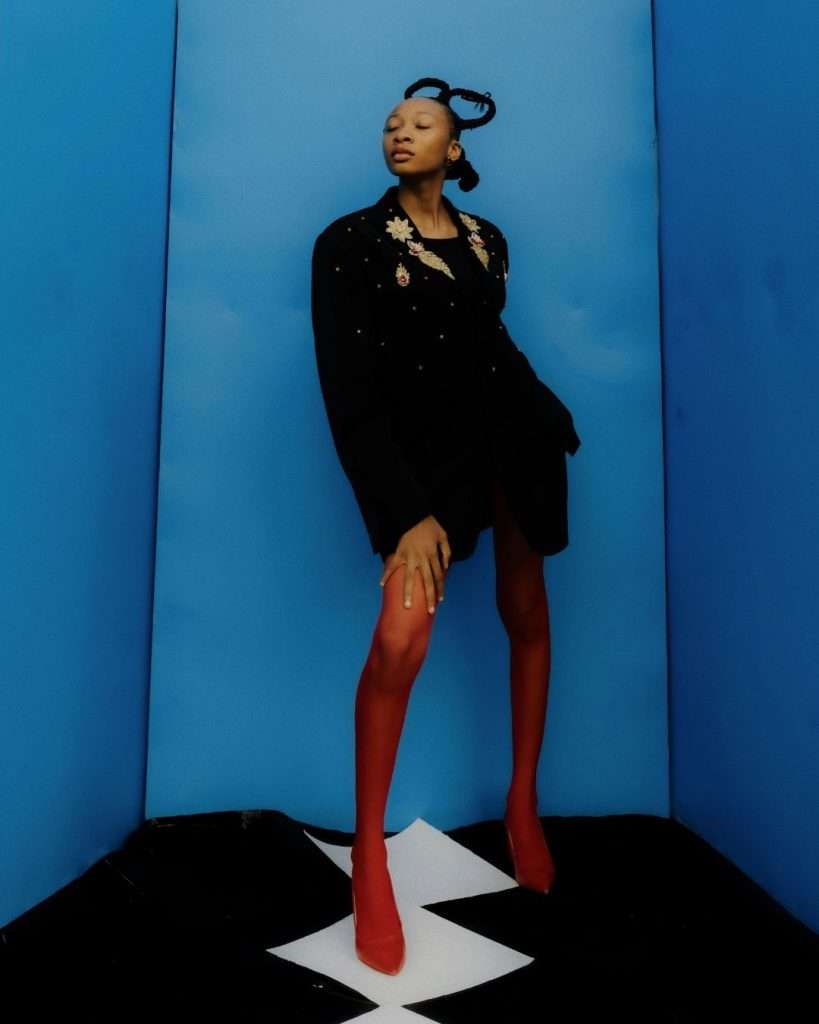
Fashion Is No Longer Selling Products. It Is Designing Systems
When discussing fashion, it remains tempting to focus on garments, collections or seasonal trends. Yet the most significant transformation taking place today is largely invisible.
Leading luxury companies are no longer competing solely through aesthetics. They are investing heavily in artificial intelligence, predictive analytics, digital product development, supply chain intelligence, material science and customer ecosystems. The product itself is becoming only one component within a much broader value network.
A luxury handbag, for example, is no longer simply the result of exceptional craftsmanship. Behind it lies a sophisticated system that may include AI-assisted demand forecasting, digital product passports, blockchain-enabled traceability, automated quality control, advanced inventory optimisation and personalised customer experiences driven by machine learning.
The physical object remains essential, but increasingly it represents the visible outcome of an invisible intelligence layer.
This shift fundamentally changes how value is created.
The competitive advantage of tomorrow’s fashion businesses will not rely solely on superior design. It will emerge from their ability to integrate creativity with technology, sustainability, operations and strategic insight.
In many respects, fashion is becoming one of the world’s most interdisciplinary industries.
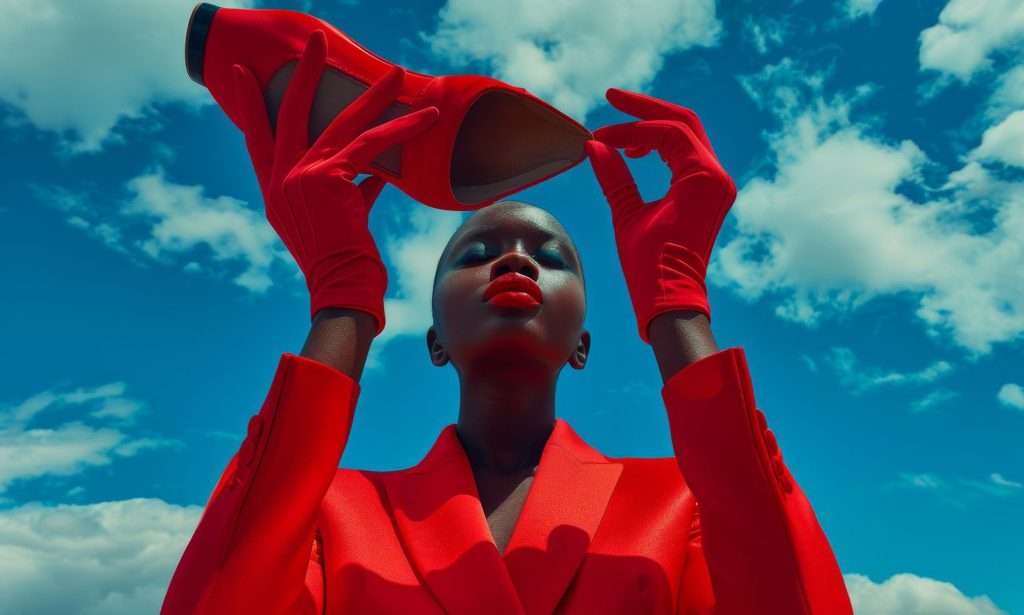
Paris: street style with Schiaparelli accessories
From Supply Chains to Knowledge Chains
Historically, luxury companies invested in manufacturing excellence, supplier relationships and craftsmanship. These foundations remain indispensable, but they are no longer sufficient.
Today’s competitive landscape rewards organisations that learn faster than their competitors.
Information has become a strategic asset. Every customer interaction, production process, retail transaction and digital engagement generates data capable of informing future decisions. Artificial intelligence enables organisations to transform this information into actionable insight, allowing brands to anticipate demand, optimise production, reduce waste and personalise customer experiences with unprecedented precision.
In this context, supply chains are gradually evolving into knowledge chains.
The organisations leading the next decade will be those capable of combining human creativity with organisational intelligence. They will use technology not to replace people but to amplify their capacity to innovate.
This represents a profound cultural shift. Fashion is becoming less about producing more and increasingly about understanding more.
Creativity Alone Is No Longer Enough
Creativity remains the defining characteristic of the fashion industry, yet the expectations placed upon creative professionals have expanded dramatically.
Designers are increasingly required to understand sustainability legislation, digital manufacturing, consumer psychology, circular business models, artificial intelligence, intellectual property, data-informed decision making and global cultural dynamics.
The creative director of tomorrow will not simply oversee collections. They will shape innovation strategies, influence organisational culture, collaborate with engineers and scientists, interpret consumer behaviour and contribute to long-term business growth.
The same evolution applies across every function within the industry.
Merchandisers increasingly rely on predictive analytics.
Product developers collaborate with material scientists.
Marketing teams combine storytelling with behavioural data.
Supply chain specialists integrate environmental performance alongside commercial efficiency.
The traditional boundaries separating creative and commercial disciplines are dissolving.
Future leaders will therefore require intellectual versatility rather than functional specialisation alone.s truly capable of.
The Rise of the Creative Polymath
Throughout history, periods of significant innovation have often been driven by individuals capable of connecting multiple disciplines. Leonardo da Vinci did not distinguish between art, science, engineering and anatomy. His creativity emerged precisely because these fields informed one another.
Fashion is entering a similar moment.
The industry’s next generation of leaders will be those who comfortably navigate between design, technology, sustainability, entrepreneurship and strategic thinking. They will understand that creativity flourishes not within isolated expertise but at the intersection of diverse knowledge.
This does not diminish the importance of technical excellence. Instead, it expands its context.
Pattern cutting remains essential.
Craftsmanship remains irreplaceable.
Material knowledge remains fundamental.
Yet these capabilities increasingly become part of a broader intellectual framework that includes systems thinking, technological literacy and collaborative leadership.
The most valuable professional may no longer be the individual who knows the most about one discipline, but the one capable of connecting many.
Why This Changes Everything for Education
Every industrial revolution has required education to reinvent itself.
The first industrial revolution transformed apprenticeships into technical schools.
The digital revolution introduced new disciplines in computing and communication.
The intelligence revolution now demands something even more ambitious.
Education can no longer focus exclusively on transferring knowledge. Information has become universally accessible. Artificial intelligence can generate technical answers within seconds.
The greater challenge is developing judgement.
Students must learn how to ask better questions, evaluate complex information, collaborate across cultures, interpret emerging technologies and make ethical decisions in environments characterised by uncertainty.
The classroom of the future becomes less a place of instruction and more a laboratory for experimentation, interdisciplinary collaboration and critical reflection.
Learning itself becomes a lifelong capability rather than a finite phase preceding employment.
Leadership in the Age of Complexity
Perhaps the greatest misconception surrounding innovation is that it is primarily about technology.
In reality, innovation has always been about leadership.
Artificial intelligence, advanced manufacturing, biotechnology and digital platforms undoubtedly expand what organisations can achieve. Yet technology alone does not create transformation.
People do.
Leadership increasingly depends on curiosity rather than certainty; On collaboration rather than hierarchy; On systems thinking rather than isolated expertise; On asking better questions rather than simply providing faster answers.
These qualities cannot be automated.
They must be cultivated.
The ILA Perspective

The future of fashion will not be designed by those who merely respond to change. It will be shaped by those capable of anticipating it.
As the boundaries between creativity, technology, sustainability and business continue to dissolve, the industry’s greatest challenge is no longer access to information—it is the ability to transform knowledge into meaningful innovation.
At ILA Academy, we believe that the role of education extends far beyond preparing students for their first job. Our mission is to develop professionals who can navigate complexity, embrace interdisciplinary thinking and lead the transformation of the global fashion and luxury industries with creativity, responsibility and vision.
The next generation of fashion leaders will not simply create products.
They will design systems.
They will build cultures.
And above all, they will shape the future.
Next Issue
The Rise of Intelligent Luxury
Why the Future of Luxury Will Be Measured by Meaning, Not Exclusivity
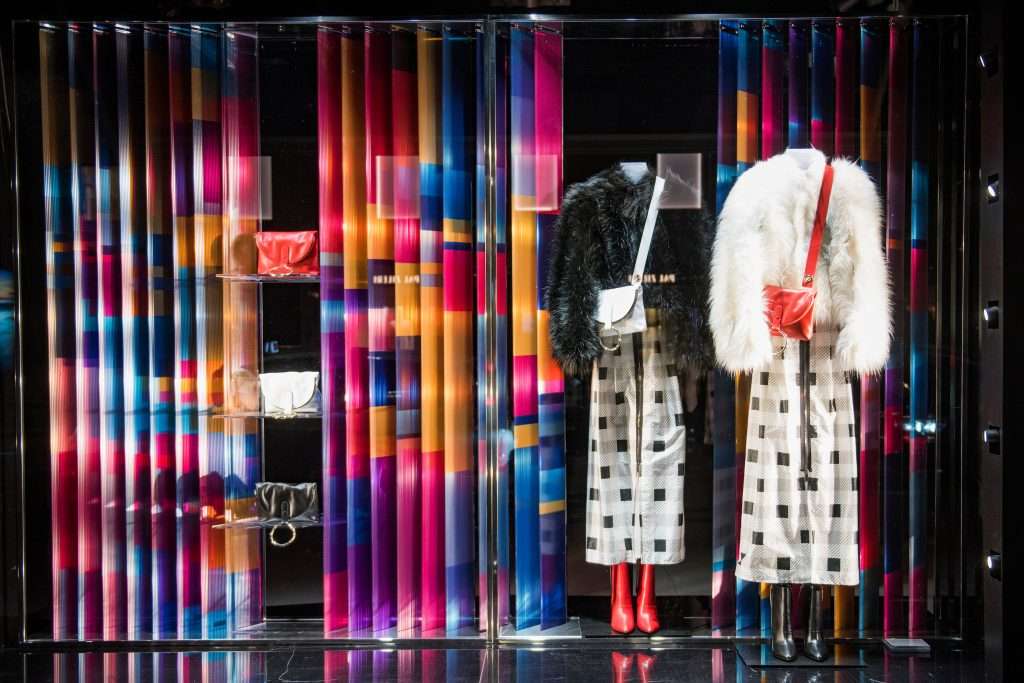
iLa is redefining LUXURY through KNOWLEDGE and CREATIVITY
Want to know more about our courses and mentorship programme and how they prepare creatives and leaders? Find out here.


