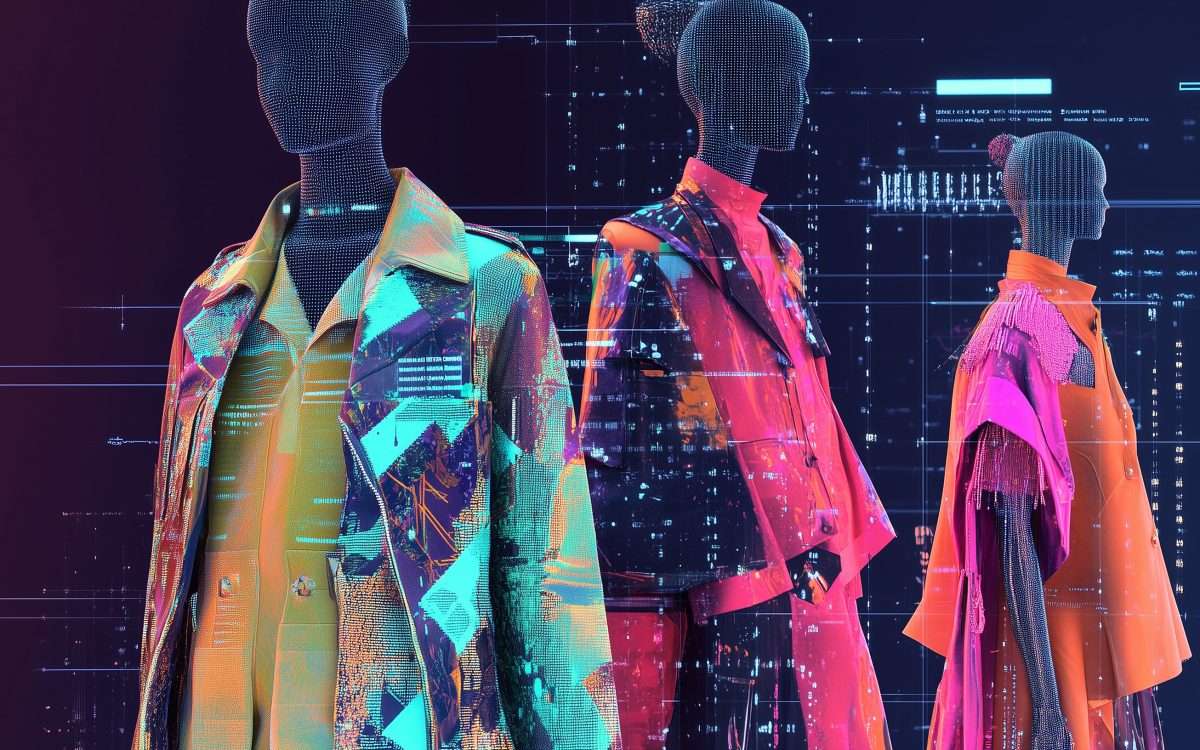
Discover how technology is reshaping fashion and culture, from AI-powered design and digital fashion to changing consumer values and creative careers.
Focus Keywords: fashion technology, future of fashion, AI in fashion, digital fashion, fashion innovation, fashion education, luxury fashion trends, creative careers
Across the fashion and luxury sector, technology is increasingly being integrated into both creative development and commercial strategy.
The most relevant examples are not simply digital experiments but initiatives that reshape product development, brand storytelling, customer engagement and operational efficiency.
Fashion has always reflected the culture of its time. From the codes of haute couture to the rise of streetwear, every era has used clothing to express identity, values, aspirations and social change. Today, fashion is evolving within a new cultural landscape shaped by artificial intelligence, digital platforms, virtual experiences and rapidly changing consumer behaviours.
The relationship between fashion, technology and culture has therefore become deeply interconnected. Technology is changing not only how fashion is designed and produced but also how it is discovered, experienced, shared and understood. For industry professionals, the strategic question is no longer whether to adopt technology but how to integrate it in ways that strengthen creative differentiation, commercial performance and long-term brand equity.
Fashion as a Cultural Mirror
Fashion has long served as a reflection of society. Cultural movements, political events, music, art and social values have all influenced what people wear.
In the 1960s, fashion became a symbol of youth rebellion and freedom. In the 1990s, globalisation and emerging media helped spread trends across borders. Today, digital culture influences fashion at an unprecedented speed.
Social media platforms such as Instagram, TikTok and Pinterest have become powerful cultural spaces where trends are born, shared and reinterpreted daily. A trend can emerge from a creator on one side of the world and influence consumers globally within hours.
As cultural theorist Marshall McLuhan famously said, “We shape our tools and thereafter our tools shape us.”
Fashion is no longer simply responding to culture; it is now evolving alongside digital culture in real time.
Creative direction is increasingly shaped by a decentralised ecosystem of designers, stylists, creators, artists and consumers. As a result, cultural intelligence, responsiveness and the ability to understand evolving communities have become essential capabilities for fashion businesses.
The Rise of Technology in Fashion
Technology is changing every stage of the fashion value chain, from research and concept development to production, retail and customer service.
Artificial intelligence can support trend analysis, demand forecasting, customer segmentation and product recommendation. Three-dimensional design tools enable teams to visualise fit, proportion, colourways and materials before committing to physical samples. Virtual showrooms and immersive digital experiences are also becoming increasingly relevant for wholesale, marketing and brand storytelling.
When embedded effectively, these technologies can shorten development cycles, reduce sampling costs and support more accurate production decisions. They can also contribute to more responsible practices by reducing unnecessary physical prototypes and helping brands plan inventory more efficiently.
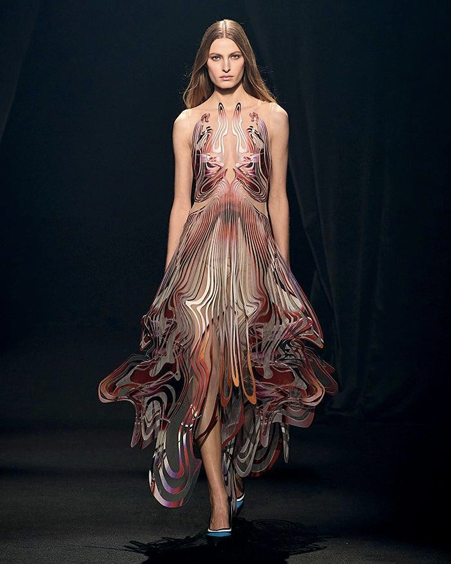
Iris van Herpen remains a significant reference point for the integration of advanced technology within haute couture. Her practice combines traditional craftsmanship with computational design, additive manufacturing and material innovation, demonstrating how technology can extend the possibilities of form, movement and construction without compromising the value of artisanal expertise. Her work illustrates a broader industry shift: technology is becoming part of the design language rather than a separate technical function.
Technology is no longer simply a support function. It is becoming part of the creative and strategic language of the industry.
Technology as a Creative Language
Iris van Herpen remains a significant reference point for the integration of advanced technology within haute couture. Her practice combines traditional craftsmanship with computational design, additive manufacturing and material innovation, demonstrating how technology can extend the possibilities of form, movement and construction without compromising the value of artisanal expertise.
Her work illustrates a broader industry shift: technology is becoming part of the design language rather than a separate technical function. The most forward-thinking creative practices do not use technology to replace craftsmanship but to expand the boundaries of what craftsmanship can achieve.
This is particularly relevant at a time when fashion businesses are seeking new ways to create distinction in a crowded market. The ability to combine heritage, material knowledge and creative intuition with new tools can result in more distinctive products, stronger narratives and more relevant consumer experiences.
How AI Is Transforming Creativity
One of the most debated developments is the rise of artificial intelligence.
AI can generate mood boards, support trend forecasting, analyse consumer data and assist in design development. While some fear that technology may replace creativity, the reality is more nuanced.
The most successful designers and creative leaders use technology to enhance their ideas rather than replace them. Human intuition, cultural understanding, emotional intelligence and storytelling remain essential components of meaningful fashion design.
As fashion designer Diane von Furstenberg observed, “Technology is a tool, but creativity is what gives it purpose.”
Technology can process data. Humans create meaning.
The future belongs to professionals who understand how to combine both.
AI in Fashion at iLA Academy
At iLA Academy, the relationship between creativity, technology and industry practice is explored through initiatives such as our recent AI in Fashion Masterclass.
The masterclass introduced aspiring and emerging fashion professionals to relevant AI tools currently used to support creative research, concept development, visual storytelling, trend analysis and portfolio creation. It focused on how these tools can be used with intention, critical thinking and a clear creative point of view.
Participants gained practical insight into how AI can support the early stages of the design process, accelerate experimentation and help translate ideas into stronger visual narratives. Rather than presenting AI as a replacement for creative talent, the masterclass positions it as a practical resource that complements design thinking, industry knowledge and human creativity.
By engaging with the tools shaping the sector today, students are better equipped to develop portfolios that are both creatively distinctive and relevant to the evolving expectations of fashion and luxury employers.
Digital Fashion and New Forms of Expression
Digital fashion is expanding the definition of what fashion can be. Virtual garments, gaming environments, augmented reality experiences and digital collectibles are creating new possibilities for creativity, communication and self-expression.
For younger generations, identity increasingly exists across both physical and digital spaces. Consumers express themselves through avatars, online communities and digital content as well as through physical clothing. As a result, fashion is becoming a multidimensional cultural experience that extends beyond traditional products.
Luxury brands are using digital environments to develop new forms of cultural relevance and audience engagement. Gucci’s work across gaming, virtual spaces and digital fashion has demonstrated how a heritage brand can engage younger, digitally native audiences while maintaining a strong creative identity. Balenciaga’s use of immersive digital formats and gaming-led presentations has also challenged the conventions of the fashion show, positioning a collection launch as a broader cultural and media moment rather than a purely trade-facing event.
The brands that will remain relevant will be those that understand both physical craftsmanship and digital engagement, creating experiences that are consistent with their creative identity while responding to the expectations of contemporary audiences.
Sustainability Through Innovation
Technology is also playing a crucial role in addressing fashion’s sustainability challenges. Advanced materials, digital sampling, AI-driven forecasting and supply-chain transparency tools can help reduce waste, improve efficiency and support better decision-making.
Digital design and virtual sampling can reduce the number of physical prototypes required during development. More accurate forecasting can help brands avoid overproduction, while traceability technologies can improve visibility across sourcing, manufacturing and distribution.
However, technology alone is not a solution. Sustainable innovation requires ethical leadership, responsible business models, creative thinking and a genuine commitment to long-term change.
As environmental advocate Paul Hawken stated, “Good design, when aligned with responsibility, can be one of the most powerful forces for change.”
The future of fashion depends on balancing innovation with responsibility.
The Future of Fashion Careers
As the industry evolves, so do career opportunities.
Today’s fashion professionals may work across design, branding, digital content, artificial intelligence, sustainability, data analysis, user experience, creative technology and innovation management.
The most valuable skills are increasingly interdisciplinary.
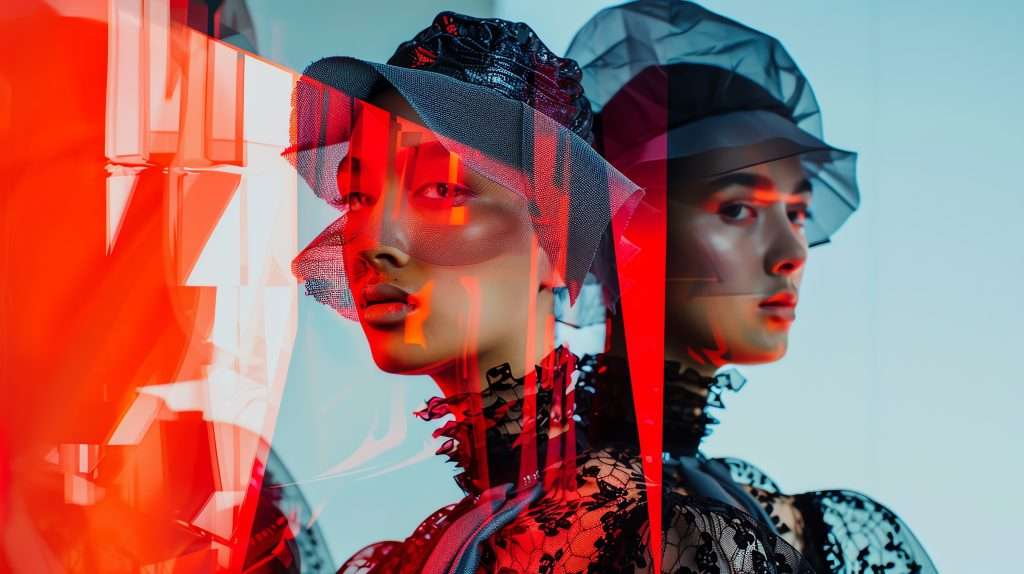
The most valuable skills are becoming increasingly interdisciplinary. Employers are seeking professionals who can think creatively, understand technology, collaborate across functions and adapt to rapid change.
This does not mean that traditional fashion skills are becoming less important. Strong design ability, material knowledge, visual communication and cultural awareness remain fundamental. What is changing is the context in which these skills are applied.
Future professionals will need to move confidently between creative, commercial and technological conversations, understanding how each area contributes to a successful and relevant fashion business.
Fashion education must therefore move beyond traditional models and prepare students for a complex, interconnected industry.
Why Fashion Education Must Evolve
The fashion industry is no longer defined solely by garments. It is shaped by experiences, technology, culture and global communities.
Future professionals need more than technical knowledge. They need critical thinking, cultural awareness, entrepreneurial mindset and practical industry experience. They also need the confidence to use new tools without losing their own creative identity.
At ILA Academy, we believe that education should reflect the realities of the contemporary fashion and luxury industries. Through industry projects, mentorship and a human-centred approach to learning, students develop the skills needed to navigate a world where creativity and technology increasingly work together.
Technology is accelerating innovation, culture is evolving through digital platforms and fashion remains one of the most powerful forms of human expression. The future will belong to those who can understand and connect these three forces.
For the next generation of fashion professionals, this means developing a strong creative point of view alongside the curiosity, adaptability and digital fluency required to succeed in an ever-changing industry.

iLa is redefining LUXURY through KNOWLEDGE and CREATIVITY
Want to know more about our mentors? Find out how they can help boost your CAREER in FASHION here.

