Leading Fashion with Vision, Not Fear_

When the fashion market feels stale—saturated with sameness, repetitive cycles of trends, and an overemphasis on what sells quickly—it is precisely the moment when true creativity becomes most urgent. For creative businesses, the temptation to follow the dictates of the trend cycle can be strong. After all, trends promise visibility, relevance, and, at least in theory, commercial success. Yet history shows that the most enduring designers, the ones who left a real mark, were those who resisted the tide and spoke in their own creative language.
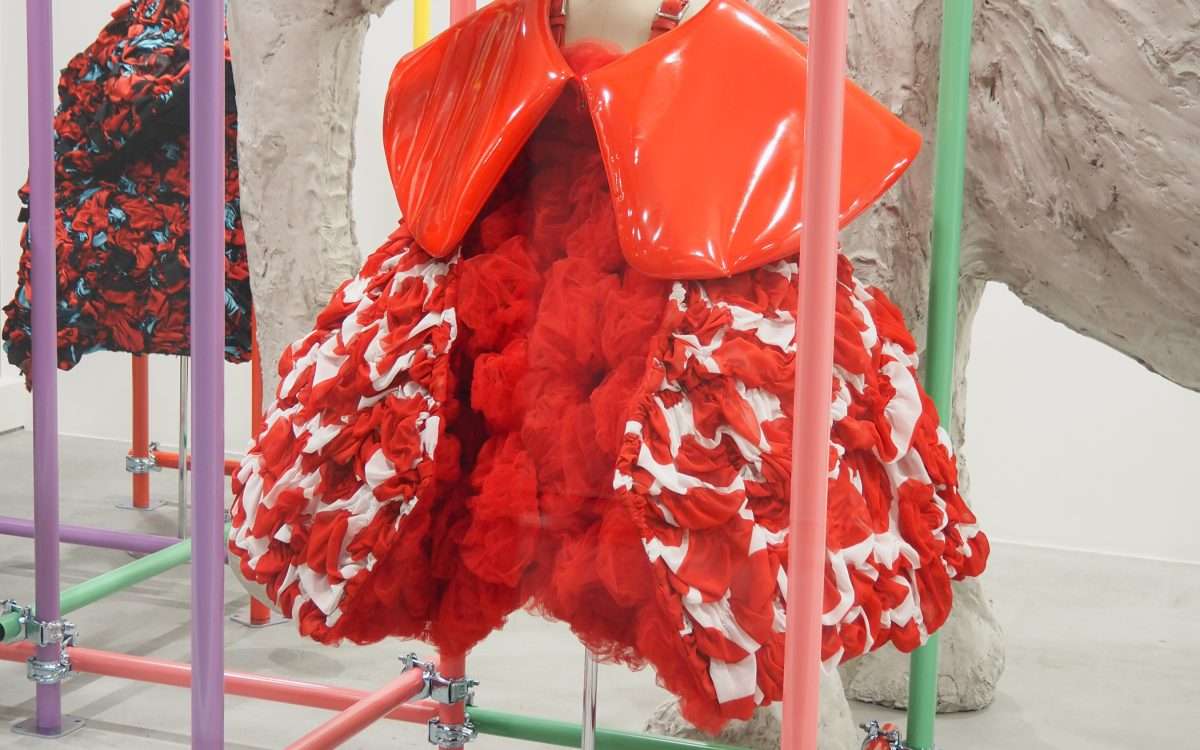
(cover image: Comme des Garçons, Spring/Summer 2024)
The Cost of Playing Safe: Why Fashion Needs Risk Again_
Chasing trends means designing within limits set by someone else’s imagination. The outcome is often diluted: collections that look interchangeable, pieces that feel like echoes rather than statements. In such moments, fashion risks becoming an echo chamber where individuality is lost and creativity stifled. Consumers, overwhelmed by repetition, begin to disengage.
Creativity in Times of Stagnation: Why Designers Must Speak Their Own Language_
In a saturated market, originality becomes the rarest and most valuable currency. Designers who cultivate their own voice—who dare to express personal visions rather than imitate collective aesthetics—stand out not only artistically but also strategically. An individual design language creates recognition, loyalty, differentiation and long-term cultural value.
A “statement piece” doesn’t have to scream; it simply has to carry the designer’s DNA clearly enough to be remembered. When markets are stale, these singular pieces remind audiences that fashion is not just product but expression—an invitation to think, to feel, to connect.
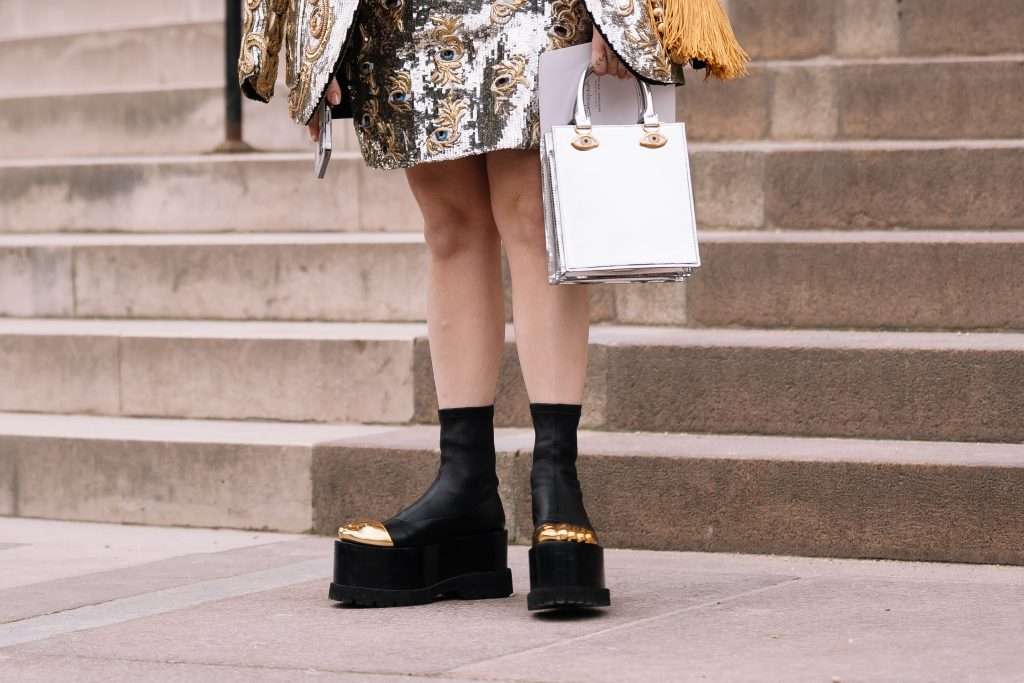
Paris, France, 2023: street style with Schiaparelli accessories
Cultural and Emotional Relevance_
What consumers seek in uncertain or uninspiring times is not another iteration of the same trend but something that resonates emotionally. Creativity provides this resonance. A designer’s courage to challenge conventions, reinterpret heritage, or propose new forms of beauty often signals cultural shifts before they become visible to the mainstream. By insisting on individual vision, designers turn fashion back into a cultural force rather than just a commercial mechanism.
The Designer’s Responsibility_
The role of the designer has always been more than supplying excitement with aestetiques in new collections; it is about shaping identities, challenging the existing and pushing society to see differently. In moments of creative stagnation across the industry, it becomes almost a responsibility for designers to protect their voice, to create statements that resist easy assimilation, and to remind the market of what fashion is truly capable of.
Breaking the Loop: Designers and Leaders Who Dare to Be Different_
Fashion is in danger of becoming a loop — trends recycled endlessly, aesthetics blurred into one another, and business decisions dictated by algorithms rather than vision. When the market begins to feel like déjà vu, it is a signal that creativity must rise, not retreat.
Breaking the loop is not just a designer’s responsibility — it is a leadership imperative. True creative leaders resist the easy pull of sameness. They nurture spaces where originality is not just permitted but protected. They invest in research, risk-taking, and deep cultural listening.
For designers, daring to be different means developing a language of their own — a signature that cannot be mistaken for anyone else’s. For business leaders, it means championing those voices even when the market wants quick wins and safe bets. Together, they create brands that stand for something bigger than the next season’s trend: they shape culture.
Breaking the loop requires courage — to say no to imitation, to push beyond formula, to make work that might challenge before it pleases. The reward is relevance that lasts beyond a single cycle.
Visionary Designers Who Broke the Cycle_
- Rei Kawakubo (Comme des Garçons) – Turned “ugly” into avant-garde beauty, redefining silhouette, imperfection, and conceptual fashion since the 1980s.
- Martin Margiela – Deconstructed garments, exposed seams, used repurposed materials decades before sustainability was a buzzword.
- Alexander McQueen – Blended fashion, performance, and provocation into runway theatre, pushing fashion to the level of emotional storytelling.
- Issey Miyake – Pioneered technology-driven fashion with pleating innovations and clothes that adapt to the wearer’s body.
- Coco Chanel – Rejected corsetry, introduced trousers for women, and gave birth to modern, liberated fashion in the 1920s.
- Yohji Yamamoto – Rebelled against Western ideals of glamour with oversized black silhouettes and asymmetry.
- Phoebe Philo (at Celine) – Built a quiet revolution with minimalist, intelligent fashion that empowered women rather than dressing them for the male gaze.
- Demna Gvasalia (Balenciaga) – Challenges taste and luxury conventions with ironic, subversive design and social commentary.
Brands that Dare to Be Different_
- Comme des Garçons – Consistently questions what fashion even is.
- Bode – Focuses on craft, memory, and story-driven menswear, reviving textile traditions.
- Marine Serre – Champions upcycling and eco-futuristic design, integrating sustainability into high fashion.
- Rick Owens – Creates unapologetically dark, sculptural clothing that defies trends.
- Thom Browne – Reimagines menswear tailoring with surreal proportions and theatrical presentations.
- Telfar – Democratizes luxury (“Not for you — for everyone”), breaking exclusivity models.
- Mugler (under Casey Cadwallader) – Revitalizes power dressing with inclusivity and bold performance-based fashion shows.
- Thebe Magugu – Merges African heritage storytelling with cutting-edge design, bringing new narratives to global fashion.
Why They Matter_
These designers and brands are united by a few principles:
They have loyal audiences who see them as cultural leaders, not just suppliers of trends.
They reject imitation and embrace their own language.
They use fashion to provoke thought, not just to sell fashion.
They invest in craft, culture and vision, even at commercial risk.
The Role of Management in Creative Businesses_
Creativity cannot thrive in isolation—it needs the right environment to grow. This is where the management of creative businesses becomes crucial. Leadership must act as custodians of creative integrity, not just guardians of profit margins. The most visionary management teams understand that protecting originality is a long-term investment, even when the market pressures demand quick wins.
Good management cultivates space for risk-taking, allows time for deep research, and supports experimentation—even if the immediate commercial payoff is uncertain. They listen to their creative teams, encourage dialogue between design and business strategy, and resist the urge to over-exploit formulas that worked in the past. Instead of dictating trends, they empower designers to set them, aligning brand strategy with cultural impact rather than mere seasonal performance.
In times of stagnation, managers should champion sustainable growth, intellectual freedom and emotional relevance—ensuring that the brand’s identity stays coherent while leaving enough room for evolution. The best business decisions are those that nurture the brand’s soul as much as its bottom line.
Call to Action_
For Designers: What’s the one idea you haven’t dared to put in your work? This is your sign to try.
For Leaders: What process, policy or safe formula could you break to make space for creativity?
For Students / Fashion Lovers & Followers: Stop scrolling — start creating. Break the loop with us.
iLa is redefining LUXURY through KNOWLEDGE and CREATIVITY
Want to know more about our courses and mentorship programme and how they prepare creatives and leaders? Find out here.

